How the NHS failed me and mine.
What it did, to the most important person
in my life and how it could happen to you unless
we do something about it!
Powered By Blogger
Showing posts with label NHS. Show all posts

Monday, 30 April 2012

The Constant Patient

Loss of Innocence-It Goes On.

I left the saga last with J' having gained control of her Diabetes and progressing to a more 'normal' lifestyle, but of course once the NHS has it's claws into you it never wants to let go. Between us we decided that we did not want to participate in any of their 'educashun' (sic) programmes for Diabetes, nor did we want to return to that hospital for any tests for osteoporosis, or X-rays or indeed for anything. Whilst both of us had a jaundiced view about DXA scans for bone density, on balance we thought it was justifiable to have at least one done to determine whether any such condition really existed. As a consequence we decided to pay for one at another location. So we did.

The results were pretty much as predicted; her hip and spine were slightly less dense than optimal and she was defined as 'osteopenic', which is pretty much what any post-menopausal woman is likely to be, especially in our Vitamin D deprived country with it's aversion to sunlight, love of sunscreens and paranoia about cholesterol. All these, for those who do not know, contribute to the density of the human skeletal structure or rather don't, if you employ any of the above.

A year down the line from the accident we also saw a 'new' Consultant who X-rayed the hip in which the prosthetic 'lurked' to ascertain the extent of any acetebular erosion or protrusion. There wasn't any; well not that could be seen, but frankly a normal X-ray is unlikely to show any until progression was reasonably advanced. It did provide some assurance however and the Consultant was at least honest and didn't treat either of us like children, probably because I talked the 'language' of his profession, in that I utilised medical terminology. In the meantime, we had both changed to a new (for us) GP practise. Because J' was now a registered Diabetic she then began to receive constant entreaties both in the mail and on the 'phone to attend for this test, that vaccination, sundry assessments most of which were largely pointless, or were largely encompassed by our own protocols.


Out of interest, we eventually gave in to a 'diabetic assessment' more out of curiosity than anything else. Of course it was undertaken by a Diabetic Nurse, which presumably did not describe her condition (it was a woman) but her vocation. Looking as she did I was prepared to revise that view because she embodied the 'don't do as I do, but as I say', philosophy in the NHS of appointing those who look sicker than their patients to advise them of the error of their ways. She looked as if she had been a Diabetic herself for many years, bordering on obese, with a florid face and that constant frown, common in those that have little understanding of  what they are doing because they have no idea of why they were doing it,  (I think she probably drowned puppies for a hobby).

She took J's blood pressure (132/65), weighed her, which was the same as it always was (now) took some  bloods for analysis including for a 25(OHD) that I had requested and laid her on the couch and prodded her feet with a short bristle device. As she weighs herself weekly, I take her blood pressure, and often 'tickle' her feet (it makes her jump) it all seemed pretty pointless to be frank, but she did suggest we come along to the 'club' they have for Diabetics, and also a training session where we would have likely had the virtues of low calorie/low fat dieting, extolled in glowing terms and of course be told that there was no need to 'test' constantly (because test strips cost money and the NHS doesn't have any). We declined I'm afraid. She looked crestfallen at this news, but we had seen the pictures on the leaflet and certainly did not want to emulate any of the antics therein portrayed (watching paint dry seemed more attractive).We left then to await the blood test results which were to be available in about 5 days.

Four days later, whilst we were whiling away the time at the 'hovel' counting the cobwebs on the ceiling, the 'phone rang and lo' it was the lead partner in the GP practise wanting to speak with J' about the test results. As we did not have them as yet I found this curious, but not wanting to prejudge the situation, I put her on the 'phone and listened in on the speaker. After praising J's HbA1c result, of 6.3% (the achievement of which he had no hand in, but would be rewarded anyway on the Quality Outcomes Framework) he raised the question of her Cholesterol level of  7mmo/L and suggested she take a statin. J' then asked me to respond to this so I took over the conversation after she gave permission to the Doc' on the 'phone. I pointed out to him that there was no evidence to support such a protocol for any woman, and that it would likely be injurious to her health, along with a few choice references that supported my view, and perhaps he might do a bit more research? At that point he fell back on the "I am only carrying out orders" defence and then told me how the QOF meant he had to do things that he did not always agree with, just to earn a 'crust'. Forcing back a tear, I expressed my heartfelt regret at such appalling treatment meted out by the PCT Commissars and we left it at that, after he promised to let me have a copy of all the test results.

What then are we to make of this? Well, GP's are paid to monitor Diabetics under the QOF protocols and ours had earned 44 points by undertaking the Diabetes examination and recording the findings. This includes achievement of some points from blood pressure, HbA1c and certain levels in the blood of various components, all of which he had no hand in at all! But of course that is never enough. We already had refused the tests for Retinopathy, because our Optician included it in J's annual eye test, the annual flu' vaccination, because it's counterproductive and now of course we had refused statins'. One gets the idea that curing sick people is merely an adjunct to the more important task of fulfilling certain criteria within QOF that invoke payments. Is this what Primary Care has become? Well err... yes.

Diabetics are treated very poorly by the NHS, and outcomes continue to worsen, mainly I believe because the diets, drugs and lifestyle advice is founded upon poor science, dogma and the touching (but wrong) view that 'Pharma' is a benevolent edifice, searching endlessly for cures and life enhancing drugs to make the lot of Diabetics as 'normal' as possible.The truth is that they only want to 'treat' the condition and symptoms with a cocktail of their products, in ever increasing number and volume to make a profit! Virtually all of the evidence that backs their products as efficacious is funded by them. Diabetes UK is heavily dependent on their largess as is the US equivalent the ADA.

It is not inevitable that Diabetes is progressive and life shortening unless the 'mainstream' treatments are pursued. Many know this and either overtly or covertly follow their own agenda and are considerably healthier as a result. When J' gets a day when her three times a day tests, all come out as normoglycemic purely by gist of diet, a little exercise and a few supplements, it is a cause for celebration. It can be difficult some days, there are pitfalls in many foodstuffs that are not evident at first analysis but by testing rigorously they are soon found. But if you are not taking a hypoglycemic drug they are not funded by the NHS. So you have to buy them yourself. So you save the NHS lots of money by being responsible for your Diabetic destiny and the mealy mouthed idiots then penalise you for so doing. Crock of s**t or what?

I will continue to post the continuing saga as and when it happens. J' is somewhat handicapped as a Diabetic because her piss poor prosthesis is not conducive to vigorous exercise and that is a useful protocol for any diabetic to lower insulin resistance and 'burn off' excess glucose. So she has been doubly damned by the arrogance and stupidity of a system that is incapable of factoring in individual needs in treatment. Thank you NHS for making sure the law of unintended consequences rules!


Sunday, 8 April 2012

Hubris, Dominance and Radicalisation.

The Patient Experience.

In my recent relating of the experience of my partner's sojourn at the 'dark fortress' that passes for our local teaching hospital (sic), I spoke of the 'loss of innocence'. It's a concept that is perhaps a little hard to grasp, but is the factor that is the springboard of the radicalisation of many patients and the birth canal of advocacy groups. It is worthwhile then to examine what drives this and why a significant minority of patients find themselves at loggerheads with Medicine.
 
Many of us go through life, with little to no contact with Doctors', or if we do it is for simple and easily remedied needs that are adequately fulfilled by the primary care GP. Some, generally with little in the way of understanding of Healthcare, accept what they are given because of the adherence to a thought process that is still (surprisingly) in vogue, that 'Doctor knows best'. Well that used to work for my mother, and over the years to an extent for me too, but once we have a bad experience, some although not all, begin to question the veracity of that paradigm. My friend, the Registrar once said to me that one Doctor who treats a patient badly and causes harm, shames the whole profession and initiates an alienation of that patient to Doctors' often for the rest of that persons life. That is true, and summarises my feelings about the various shortcomings of the care J' received, but it's more complicated than that. In fact the patient versus doctor warfare that has taken place over the years since the NHS came into being can be characterised by the overt coercion, disempowerment, objectification, and devaluation of the patient as their own moral agent.

These problems arise from a lack of courtesy through to actual harms, and inculcate in many an aversion to the profession as a whole, some of whom do not deserve it, except of course to say that they allow it go on with little demur. Keeping patients waiting, for a pre-arranged appointment is the beginning, characterised by the practise of 'over bookng', common in the NHS.  This sows in the mind an attitude of contempt; a devaluation of the time of a patient as being worthless and that of the Doctor as precious.

Domination.

Then there is then the dominance of the Doctor in the relationship, with very little adequate understanding of the anxiety they inculcate within the patient by the (often) overbearing and overcomplicated language they use to describe both conditions, and the  protocols invoked for treatment. There is often a failure to impart information about the side effects and dangers attached to many of the treatments advocated and indeed an often patronising stance by the Practitioner that the patient does not understand what is being done and this often diffuses and even negates the the concept of 'informed consent'. This is the stance assumed by many Doctors, that they should not tell the patient too much, so as not to frighten or baffle them, especially if they are women (covert misogyny).

Many treatments even tests, carry a burden of danger that is almost always withheld or 'glossed over'. Radiotherapy, Mammography, HRT treatment, many drug therapies and even anaesthesia is often portrayed as benign and patients who complain are often treated with disdain or even hostility.  In truth, most if not all aspects of medicine or surgery carry risks, some serious others less so, and often these are different in some recipients more than others. Many of these protocols are now seen as counter productive, dangerous, and even fatal in some  cases, but the patient has often been coerced, covertly or overtly to accede to them. So then domination takes from the patient their autonomy, that essential sense of  'self' that guides and governs most of our actions. Removing this takes away the option that one should always have; not to follow the path advocated because of prospective harm, whether perceived or real, because not accepting a course of treatment is a patients inalienable right. Withholding information of harm can guide a patient down a road that they would have otherwise have not taken. It also breaches the ethical code of Doctors' and that of their (piss poor) governing body, the General Medical Council (GMC).

Hubris.

Most Doctors' hold the view that they generally act in the best interest of patients' and that they are guided by science. They focus upon the good that they do. In doing so they often neglect the harms implicit in the drugs and protocols they champion as efficacious because they view most of these harms can be balanced against the overall good they achieve. They turn a 'blind eye' to iatrogenic (doctor induced) harm because it does not fit with their ideology of acting in the best interest of their patient. This hubristic attitude extends to many areas of Medicine and is part of the self delusion that comes about from power; power over the patient.

The primary example I would cite is that of the practise within Primary Care of the adherence to the Quality Outcomes Framework (QOF). Doctors get paid for fulfilling protocols that generally are political in origin, rather than being steeped in any sort of evidence based medicine, such as the lowering of cholesterol, reductions in blood pressure, avoidance of saturated fat, five portions of fruit and vegetables a day etc. Few if any, have any real belief that they are doing any particular good, and a significant minority are convinced that they are actually contributing to harm. Yet GP's continue to undertake the various tests to prove adherence to these protocols, that are only 'surrogate' markers of disease. These have largely been proven as worthless  But they garner fee's for the GP's practise. Can this be called indicative of patient care?

Another example, in Orthopaedics, is the use of the now much criticised metal-on-metal hip implant. Now anyone with engineering knowledge would have immediately spotted the fatal flaw in the concept of such materials in an environment where even with lubrication, which is impossible unless you install a grease nipple on the outside of the hip (and even if you could the grease would be toxic) wear of some quite high order would take place. This is called 'tribology' and is the science of wear. Engineering science seeks to limit this wear by the introduction of an interface between the frictional surfaces called a lubricant which overall slows down wear. An engineer who could introduce to the world, a lubricant that eliminates it completely would be able to write their own paycheck, and it would have many zero's at the end. Yet surgeons continue to utilise this and many other implants, that inevitably wear away, some at alarming rates, and consequently put patients at risk and condemn them to further surgery. Surgery of a significant level of risk and often on multiple occasions sometimes resultant in death. 'Do no harm'?

The harms perpetrated on Diabetics is perhaps the most scandalous of all protocols practised in Primary Care. Many Type 11's abandon the advice they are constantly given, either overtly or covertly, because most aspects of their condition continue to worsen if they adhere to the drugs and diets prescribed. They exemplify, perhaps more than any other cohort in the treatment paradigm of the QOF, the poor standard of science and the dangerous and patently stupid protocols advocated. The worst of these is to advise patients to consume carbohydrate, which turns to glucose in the body in very short order after consumption. Reduction of blood glucose is precisely that which Diabetics have to achieve to be normoglycemic. Why in the name of Hippocrates would you instruct a patient to indulge in that which is to them a 'poison? So you can give them some more of those 'nice' drugs that 'Pharma' says is essential to normoglycemic levels? It is 'wibble' and dangerous 'wibble' at that. And it is more likely than anything else to spawn even worse levels of blood glucose, with the consequent elevation of other symptoms and the need to 'crank up' the volume and number of prescribed drugs.

Doctors and others in health care are often blinded to the harms the patient receives and often disbelieve them because it impinges upon their feeling of self worth; their absolute belief that they act in the best interests of patients, even when they are wrong. Their dominance and hubris is bordering on delusional and they often dismiss patients views because they do not talk the same language Fortunately a significant number of Diabetics are taking control of their own destiny and this is on the increase and the subsequent HbA1c results they are achieving is testimony to the elemental stupidity of the advice they are given. More power to them! They have been radicalised.

Radicalisation.

Since the beginning of the NHS patients', tired or traumatised by what they or those they love have suffered, have sought pathways to telling their story, seeking redress, a simple apology, or even, on rare occasions, revenge. They have found it impossible; Doctors viewed them as mad or bad. The NHS and the systems and organisations set up to safeguard them, or to allow them to seek redress have been fatally flawed because they are part of the 'establishment' of the State, and thus have a vested interest in preventing or subverting that end. Set up to fail the patient then, already radicalised, becomes even more bitter, more radical, because there seems to be no outlet, no avenue down which to pursue the perfectly reasonable need of righting wrongs or preventing further episodes of harm. They either give up in in disgust, are buried (literally), as are most Doctors major errors, or they enjoin together with others of their kind to form pressure groups.

Some of these have been successful. But some like The Patients Association or Action Against Medical Accidents, have virtually joined the very establishment they were formed to combat. Others such as Diabetes UK, or Heart UK and many others have simply become mouthpieces for the political goals of the Neo-Liberals or worse, the sales promotion teams for 'Big Pharma'. There is in fact no avenue left for the radical patient who seeks justice, candour or redress, other than their own efforts, the rapacious legal sector, or by joining a pressure group that is not part of the 'establishment'. When there are, at conservative estimates, 34,000 deaths and 40,000 serious injuries per year as a result of medical errors (National Patient Safety Agency figures), it is an appalling indictment of our political system that we have no effective means of obtaining anything more than a few weasel words of sorrow when death or serious harm is perpetrated against us the patient. And at some time in most of our lives we will all be given that title.

In writing the forgoing I wish it to be known that I do not 'hate doctors', in fact I admire quite few, but I do hate the power structure they enjoy and the virtual immunity from any ordure in the event of causing serious harm or death. We need a a 'duty of candour ' in the UK and a system of justice that allows it to flourish.

(For anyone wishing to look at the support and pressure group of which I am a member, click on the scales of justice).

This post is dedicated to Robbie, David, Catherine, Stephanie and a legion of others who lost in the gamble of placing their trust in Medicine and the NHS.

Friday, 23 March 2012

Loss of Innocence (The Complaint).

I left the story last at the juncture where I was trying to fathom what had happened to J' whilst she was in Hospital, and why so many things had gone wrong. I had been trying to convince her, that we needed to both find out exactly what her prosthetic hip, was and to ascertain why she had been so ill postoperatively, at least.

It took some convincing, on my behalf as J' wanted to put it all behind her; to forget all about it completely, whereas I did not. I did quite a lot of soul searching, as I knew that J' continued to display stress when talking about events that had occurred and I did not want to coerce her into anything. It was painful for me too, but I felt it imperative at least to garner some information, so as to guide any action in the future. So the first step was taken; that of requesting all the notes about her Hospital treatment.

What may seem a simple request, turned out to be more difficult than anticipated and I sought the help of the Patient Advocacy Service to assist me in this. I was not confident that they would be of any use but was pleasantly surprised by the case officer appointed, Andrew (not his real name, which I never knew) whose knowledge and understanding was of great help. So we submitted a request for the medical notes and sat back and waited, and waited. Well it took an age, cost some £50 and came in instalments. And of course you have no proof that what you receive is comprehensive, because you do not know what may have been omitted. Some two months later we actually had them all and I commenced the task of review.

Despite my knowledge of Human Biology and Biochemistry, I admit to floundering somewhat; well quite a lot actually. I had not looked into science in this area for more than thirty years (my how time flies) and I found that I not only had to hit the books, but had to buy some more contemporary ones. But of course we now had the Internet, except I had not used it much before, being a bit of a 'luddite' in a way although I had embraced microprocessor logic quite extensively. So now I had to embrace that as well. But after a few hiccups I was soon getting up to speed.

My review of the various tests conducted proved to be the most illuminating element of J' treatment and the memory I had of the Paramedics question, about controlling her Diabetes soon became understood. Her preop' blood glucose was 19.50 mmol/L ! That is severe, uncontrolled hyperglycemia, a situation that could only indicate Type 11 Diabetes. In addition she had been given a 'bolus' of several antibiotics including several penicillin's. She has a well documented adverse reaction to this type of antibiotic, which was advised to the Hospital on admission and it was clearly stated on the notes. There was also strangely, a copy of an ECG trace together with a chest X-ray copy (on disc). These were 'ghosts', because no such procedures were undertaken, and let's face it it would be extremely difficult to 'sneak' an ECG onto a patient, with ten electrodes having to be placed onto various parts of the body and the machine, being wheeled into the cubicle, especially as I was there too. Bizarre is the only word I can use for this.

So the first thing I had to do was to address the distinct possibility of Diabetes. I knew that high blood sugar is symptomatic in trauma patients, it's part of the human stress reaction, but not anything like the levels reported (and ignored!). So I purchased a blood glucose monitor and some test strips and tested J' for both fasting and post prandial (after a meal) levels. I did this on three days to be absolutely certain and the figures were indeed well above normoglycemic levels, in the region of 10mmol/L (fasting). So whilst I was by then sure she was a Type 11 Diabetic, it has to verified by a Doctor for this to be 'official' so we had to make an appointment to see the GP which we did. When we talked to her (the GP) she was also convinced of the same and immediately wrote out a 'scrip' for Metformin. And she gave us a blood test instruction to be fulfilled at either of the two local Hospitals. I viewed this as somewhat premature, but she dismissed totally the concept of diet and exercise as a protocol for containment of the Diabetes. A rush to judgement? Well pretty much I felt, so we did not fill the prescription and never did.

I had already completed some research into Diabetes prior to the GP visit as the only thing that I could recall from College was that the 'Islets of Langerhans' become non-functional and thus produce little to no insulin. J' also had more practical experience than I, as her father had Non Insulin Dependent Diabetes Mellitus (NIDDM) for a large part of his life. But his condition was treated with diet and exercise. That frankly was my take as well because that had been the protocol for most, thirty or more years ago. What had changed it seemed, was the fear of fat and meats, as the diet route dictated that little to no carbohydrate be consumed. As all carbohydrates convert to glucose in the digestive system somewhat rapidly, it also made biological sense to shun them. What had changed then since my studies in the 1960's? Well quite a lot it seemed.

'Big Pharma' in it's ceaseless pursuit of money had become all powerful along with Diabetes UK, an alleged patient advocacy organisation, and their dominance of  the treatment paradigm now in place dictated that Diabetics take a cocktail of drugs including it seems Insulin. Insulin Dependent, Non Insulin Dependent Diabetics? Well that seemed somewhat nonsensical. More research was obviously needed and urgently, but we did concentrate our efforts, (for by this time J' was 'onside' about this, if little else), on reducing carbohydrates with a view to elimination.

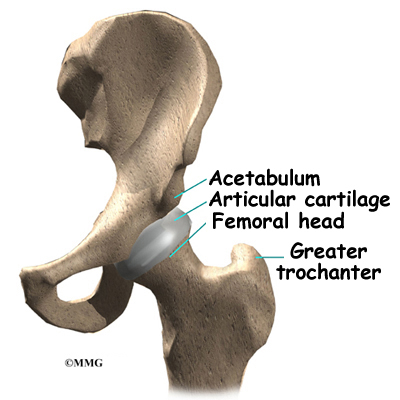
After more heart searching J' finally agreed that we should also register a formal complaint with the Trust about her treatment and now, because of the notes, we also had (at last) found out what 'they' had put inside her (hip). It was a bi-polar hemiarthroplasty, which is a 'hemi' with a plastic cup added to the top of the head (ball), that was 'stuffed' (no other word describes it better) into her acetabulum. Research sadly does not attribute this with any better outcomes than a simple 'hemi' and the recipient also has more plastic debris to cope with together with little in the way of less acetabular erosion or protrusion. So it is little better than a simple 'hemi', just a bit more expensive. It had taken more than four months to determine the presence of this prosthesis, which somewhat flies in the face of so-called 'informed consent' we were alleged to have given.

And so the Complaint System rumbled forward, until we at last had a meeting. I have written about this in detail a while ago and do not propose to go over it again. Suffice to say we were both devastated by the outcome and resolved to pursue things further, but frankly the ground rules kept moving throughout the procedure making it difficult to find our way. The Brown Government, overseen by that most useless of all Health Secretaries, Andy Burnham decided that a change was needed halfway through our complaint, and we were now left with no choice than to complain that we thought we had been dealt with unfairly, and that the 'Local Resolution' system should review the case once more. The response to this was a refusal, leaving the 'last hope', a referral to Parliamentary and Health Service Ombudsman as our final port of call. But at this stage we decided to concentrate on J's various problems and look for as many solutions as we could.

These were; the need to restore her mobility as much as reasonably practicable with the poor prosthesis she had been given.
To control her Diabetes and achieve normoglycemia as much as possible with the minimum of side effects.
And to investigate the pronouncement about her having osteoporosis we found in the notes.

She had a pronounced limp, termed Trendelenburg's Sign, which was placing some strain on her left leg. We needed some physiotherapy intervention for this and, luckily the PCT in the area had a a policy of self-referral, so we did not have to see the GP for this. Using a bit of 'leverage' in my circle of  friends, I was able to get her an appointment quickly and we got one of the best in the area. He agreed that J' needed help and devised a work plan that involved resistance exercises that I had to help with, that rebuilt the muscles damaged by the operation. It was hard for her and sometimes painful to see, and often I felt terrible for driving her efforts. But after three long months, it bore fruit and the limp was gone. It also helped with her Diabetes by gist of the exercise needed which reduces insulin resistance in the muscles that helps to lower blood glucose.

Her Diabetes gradually came under control with a low carbohydrate diet, regular exercise with walking and an exercise bicycle, together with a few carefully targeted supplements. Her Hba1c reduced from 8.5 to 6.5 in three months, she lost some weight and the youthfulness she formerly displayed, gradually returned. There was a lot more to achieve as yet, but the walks along the canals helped to keep us both reasonably fit and sane. J' had gone from a vibrant, youthful woman, holding down a well paid job to a partially disabled Diabetic with alleged 'brittle' bones, needing help with at least some aspects of life. She had to have an automatic car, help with getting in and out of bath and could only work part-time.

No one person or organisation was responsible for the accident or the Diabetes, but what the Trust did was to ignore many obvious and relatively simple measures that prejudiced her recovery, her future, her very life even at one point, without any sense of responsibility for their actions and lack of them. No sense of danger in their lax and supine protocols; no remorse, no empathy, but above all no candour and no justice.  I had lost my innocence about 'our' NHS, an organisation I had championed in the past, even been grateful to for saving the lives of two of my children. Yet now, after the injection of extra billions in funding, it was actually worse than when it was a service for the poor 'proles' back in 1948. It was devoid of humanity, and the primary tenet governing all that medicine stands for, 'do no harm', because it was doing great harm and 'selling' it as care. It had made an enemy of me and I was to learn in the coming months, many others too. I was no longer 'Winston Smith' and I no longer loved Big Brother.

This saga continues shortly, after I catch my literary breath.

Thursday, 1 March 2012

Loss of Innocence (Part One- Addendum)

It was my intention to move straight to my second instalment of the saga of J's treatment at the hands of the NHS and in particular the part played by the 'Orthopod's'. However, the intervention of the furore relating to prosthetic hips has given me the opportunity to vent my spleen about the ridiculous situation that exists in the treatment of those unfortunate enough to need any form of hip surgery.

You would think that in view of the large number of procedures undertaken in the NHS that the science would be driving the procedure, when in fact it is more custom and practise tinged heavily with vested interests and hubris. Orthopods (Orthopaedic Surgeon's) are generally viewed by Medicine, even other Surgeons as lacking in subtlety and intelligence. My view is somewhat more colourful and I view them as 'butchers' more than surgeons. Sure, it's a hard job, requiring physical strength and endurance, almost as much as skill because of the need to saw, hammer, drill and slice, with instruments more akin to a construction site and a butchers shop than an operating theatre. And the repair (or often not) of damaged hips epitomises this more than any other procedure. Dealing with hip trauma is probably the most difficult and dangerous procedure any surgeon undertakes. It is important then that the patient is paramount in the evaluation of which path to pursue as regards the protocol that is most efficacious.

It is not beyond my purview that many 'orthopods' are failed Rugby players, not that I attach any significance to that, except to say that their adherence to scientific evidence as a tenet of their professional conduct is perhaps somewhat lacking.  It may sometimes be evident that their judgement of certain medical devices might be coloured by the presentation they last 'endured' in Barbados about the latest implantable device from one of the many makers of such engineering masterpieces (sic). One of these, of course is Depuy, a subsidiary of Johnson and Johnson (a family company). They make the 'Pinnacle' implant, which is a MOM (metal on metal) device using cobalt chrome, and this has been indicted as being subject to early failure. And more importantly, (I feel) of causing the migration into the bloodstream, bone and other tissues, of wear particles that are potentially life threatening in a number of ways.

The BMJ in conjunction with Newsnight undertook a study recently that highlighted this problem that is faced by a number of  'younger' patients who have been ill served by the installation of this design of prosthesis into their acetabulum. In truth the BMJ article is somewhat more comprehensive in it's condemnation of the device than was Paxman in the interview with the head 'honcho' of the MHRA who, it would seem had full knowledge of the 2010 recall by Depuy of it's ASR implant (Pinnacle) but seems to have done little about it. Nonetheless I did enjoy Paxman's taking Kent Wood's to task about the fundamentally supine attitude of his organisation when it comes to 'approving' medical devices, which essentially amounts to a review of the specification provided by the makers, because there are few if any clinical trials undertaken, except using the patient cohort as 'guinea pigs'.

As an engineer first and biologist second (but linking the two), I cannot understand how anyone would recommend the installation of any ball and socket device, in the human made from cobalt chrome that will be subject to metal on metal wear or indeed any frictional wear. The cobalt element of the  material does have high strength, coupled with excellent corrosion resistance, but whilst it's salts are used by most animals especially ruminants, at high levels it can be toxic and it's compounds have been responsible for cardiomyopathy (heart muscle disease) in humans. Chromium is also quite toxic in its (VI) form except at very low levels and is a known carcinogen as well as being responsible for damage to the kidneys, liver and blood cells. Having said that, if this material had only been utilised for non-frictional component parts it is unlikely that there would have been a problem, but friction in metal to metal bearings throws off metal ions, eroding interfaces which increases gaps in mating surfaces thus introducing 'free play'. This is of course exponential, so the more wear the more the acceleration of that wear. The consequent contamination of the tissue surrounding the acetabulum and femoral stem and migration of these metal ions into the bloodstream promotes high levels of bone loss, cement collar erosion, cartilage damage, and many other toxic side effects that have yet to be fully evaluated.

When you introduce any 'foreign' body or substance into any living organism you have to be very sure that by so doing you are not making matters worse, but obviously this did not seem to impinge upon the corporate 'psyche' of J and J. Greed seems to have been the driving force and don't forget this company had last quarter earnings of $16.3 billion despite having to pay out $3 billion for the Pinnacle debacle in the US.

This design of implant was targeted at the younger audience and was sold as a 'low wear' prosthetic so as to avoid the need for revision surgery because this cohort tends to be physically very active. Activity promotes wear in any joint be it in humans' or in machinery, unless you can regularly lubricate that joint. There is some value in the concept of synovial fluid performing this function (the hip joints natural lubricant and hydraulic 'cushion'), but as this 'capsule' has effectively to be 'burst' during surgery for access, it is unlikely to function as it was designed by nature thereafter. The simple truth is that in our haste to address the increasing needs of an ageing and increasingly joint challenged society we have lost sight of many of the needs attendant upon the production of manufactured  joints for implanting. And sadly it is not just in the metal to metal prosthetics that we have a problem.Many different materials have been tried over the years, especially plastics, sintered metals and ceramics. If one views success as being a bearing surface that does not wear out at all, and what wear does take place as being entirely benign, manufacturers have failed. Failed miserably in this context because all arthroplasty components have a finite life, so except in elderly patients, they are unlikely not to need revision at least once and in young patients possibly more.

UHMWPE has been the material of choice especially the newer 'crosslinked' varieties, for the manufacture of joint surfaces for some years now. Ultra high molecular weight polyethylene displays admirable self lubricating properties together little moisture absorption and considerable strength. But combinations of both this, ceramics and other metals have been tried, to come up with this goal of the perfect implant. None, including UHMWPE is devoid of particulate contamination of the tissue and blood of the recipient, although this last one is probably more benign than others. None are entirely so, and all wear is at a rate in proportion to the amount of use. So active people wear their implants out quicker.

As regards the NHS; well they invariably go for the cheapest they can get away with, THA (total hip arthroplasty) using cemented stems and UHMWPE bearing surfaces is usually the type most will get for either trauma repair or elective surgery, generally for osteoarthritis of the hip. Except for non-displaced or slightly displaced fractures, when the waters become extremely muddied. This is because of the payment system that prevails in trauma care which is based on a tariff for the most expensive treatment involved in a hospital 'stay', and the desire to keep the costs low, avoid re-admission and get rid of you as soon as possible. Trauma patients 'bugger up' the system, take up unplanned beds and play havoc with operating lists and theatre time allocations. If you aren't fixed quickly it costs more than the tariff. If they do something that's possibly short term, even if it's in your best interest as a patient, it's likely not to happen. If you are re-admitted for something that's a result of your initial admission, they won't get paid for it, so you are a burden.

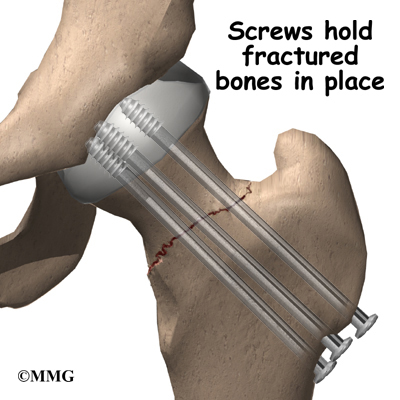
This has resulted on many occasions in the almost complete lack of hip repairs in trauma patients because of the incidence of failure. This is despite the fact that preservation of the native acetabulum and femoral head is the ideal solution. Failure rates of hip repairs are the subject of much conjecture but they are only about 25% in reasonably healthy people up to 65 or 70 years. They are also quick to do, much less traumatic, and can be undertaken, often without general anaesthetic, and sometimes without incision. Generally this requires nails or screws to fasten the joint together which are then left in place. If this fails, then you can go on to have a full procedure at a more leisurely pace and not as an emergency. But it won't happen, because if it fails, the Hospital involved will not get paid for the subsequent and much more expensive procedure to fix it because the 'system' attributes the blame to them. You will also have a longer recovery time as your leg will not be load bearing for some time, but you will be in possession of the best hip joint there is; your own! What you will likely receive for trauma, even if the fracture is so slightly displaced as to seem much like a 'crack', is the Hemiarthroplasty; the worst of all prostheses, because it's cheap, has a short operating window, and is likely to last five or six years, so they will be beyond the date whereby failure would not be paid for under the tariff.

The NHS likes this implant despite it's short life because it also has a lower dislocation rate, can be installed by relatively lowly surgeons and through the side of the hip. This is despite the fact that more damage to the muscles and cartilage ensues in this approach. In addition as this implant simply is a metal ball, sometimes with a plastic floating cup (bipolar version) which is literally 'pushed' into the acetabulum. It also brings in some cash from the Primary Care doctors for monitoring X-rays that have to be taken to check up on wear of the bony cup that is the acetabulum. It's almost beyond belief that anyone would consign a patient to receive a big metal ball 'stuffed' into a bone socket that's absolutely certain to wear away and cause pain in quite short order as it articulates with movement. Metal on bone; it doesn't take a scientist to work out which will wear first, especially in a younger, active patients, now does it? Alright, for the 85 year old with little in the way of exercise and a number of co-morbidity's, it may, just maybe justified after a fall, but as a first line treatment for most it's a cynical manipulation of guidelines and flies in the face of good practise and the welfare of the patient to reap the reward of the tariff.

Hip joints are one of the wonders of nature. They are a 'ball and socket' certainly, but one that has an interference fit that has a regenerative liner of cartilage and a fluid cushion that acts like the hydraulic fluid in a shock absorber, being 'squeezed' out and in as you walk and load the joint. As engineers we haven't even got close to this model nor are we ever likely to. There's no demand, well not from the medic's, the NHS and certainly not Big Pharma's devices wing. The patients, well we're the last people they care about, so long as the 'gravy train' keeps rolling. J and J's rubbish prosthesis is symptomatic of the 'device industry' and the final irony, as I keep hammering on about, is that most of these devices are implanted in women, because the female hip has much more 'articulation' than that of men to enable child birth, rendering their hips more liable to breakage. So women, often elderly women or those viewed as elderly by the NHS are the main recipients especially of 'hemi's', often when they and their peers see them as 'mature'. More misogyny, heavily tinged with ageism. Well there's a surprise!

Thursday, 23 February 2012

Loss of Innocence ( 7 days in June).

(Part One)

For one of quite some age such as I, it was strange to lose my innocence. The events were so profoundly life changing that I was caught up in a whirlwind of doubt, dysfunction and misery. My career, what was left of it, my control of events and even my very life became threatened by a calamitous and traumatic sequence of events that came to pass, at the hands of the NHS.

I had until that time had some respect for that bastion of Healthcare, probably because I had used it infrequently and when I had, my expectations were quite low because that which was wrong with me had little in the way of a cure. Osteoarthritis, glaucoma and cataracts can be ameliorated but completely cured, no. I never expected it and Healthcare did not let me down, especially when it came to the cataract, that was made worse by lens implant. Posterior Vitreous Detachment it was called, made all the worse by that short window before it's occurrence when I saw real colour's for the first time in years. Such a revelation; the world was so bright and vivid, well for 48 hours anyway. Then it hit, and from that day and henceforth, life was to be viewed through a mist; a fine net curtain, obscuring detail and it's recognition.

I was already quite depressed at that time, with my life already falling apart at the domestic level, as it had been for years, but I had ignored it by immersing myself in an arduous routine of work and more work, not wishing to address the pain because that way it wouldn't hurt. I did decide that any further eye surgery would likely be counterproductive so I settled down to live with what was left, and then tried to address my life before the remainder slipped through my fingers.

And I did; I found a sort of happiness, that gradually replaced the pointlessness I had felt that slowly swelled and for the first time in more years than I remembered, plans started to form. The NHS; well they had made a mistake, but it wasn't life threatening and we all make mistakes after all. I didn't bother complaining very much and accepted the explanation that PVD was always possible when ultrasound is used to remove the old lens. Pity no-one had informed me it was possible, but hey-ho them's the breaks.Then,one summer day in June I learnt that the NHS's hubris (and mine) had consequences that can reverberate throughout your life, and that colossal mendacity is practised daily, along with cognitive errors that can only be judged as incompetence (or stupidity).

She, with whom I will end my days, was off in front, pushing on up the hill, pedals whizzing round, whilst I paused, foot on the ground, gasping for the air that effort had stolen from my lungs. Then, with graceful ease, almost in slow motion, she fell from the bike and landed heavily on her side. With increasing fear, I dropped my cycle and staggered over to her, my breathlessness no longer from effort but panic. She was white with pain and emitting low screams. I tried to help her up but the pain was too great. I made her as comfortable as possible with my jacket under her head. Her pulse was racing, breath coming in short pants; she was definitely in shock. Fumbling with the damn (not so) 'smart phone' I cursed it's stupid step logic, but finally got through to the Ambulance Service and told the story almost screaming for help. It seemed a lifetime in arriving and all I could do was to keep her warm and still and feel inadequate.

I suppose I knew already what was wrong. Foot turned out, unable to move her left leg and in great pain, it had be a femur fracture and worst; probably at the top, the dreaded hip fracture. It took three of us to get her into the ambulance using a crude device of a blanket to help immobilise the joint and with blue's and two's slowly drove down the hill (yes that hill) to A&;E. All throughout the journey I found myself praying to a God I didn't even believe in, for her to be alright, that it could be a dislocation, that she would be home tonight or tomorrow at worst. I was of course wrong, and no God was listening to my prayers, as always.

At last ensconced in a cubicle, her ordeal began. It took nearly three hours for an X-ray, just after she got some Paracetamol (Acetaminophen; as if that was going to be of much use). More than four hours to even see a 'doctor' (some FY1 child), who didn't really say much, partly because her English was somewhat poor, and partly because she was out of her depth. The notes got lost, then they were the wrong ones, as I pointed out that J' was not a teenage male with a broken arm. This caused some consternation and after that I never saw any notes in evidence. Some four hours in, she was given IV morphine but not until (apparently) she had an ECG; this came to light only after perusal of the notes some six months later, but as neither I nor her witnessed any such event I very much doubt it. Also she had a 'ghost' chest X-ray, of which she has no recall as no machine was placed over her chest only her pelvis, but again that only came to light much later.

After some six hours from admission, some nurse or other (we had seen a few) informed us both that J' had a broken hip which by this time the cleaner could have diagnosed. What type she did not say. She did say that an operation would be needed to 'fix' it, but again did not say what type. So ill informed and bemused we were shown up to a ward. Through what seemed miles of corridors and one lift journey we arrived and I was placed on a chair at an unlit corner of the nurses station to ponder and stress about what was to come. My brain was racing through the likely short and long term outcomes and I was searching my memory for long forgotten learning of the human anatomy and biology from nearly fourty years before. I filled in the admission form for J', ensuring I noted her problems (she had a 'stiff' arthritic left knee from a riding accident from twenty years before) and intake of any med's, which was only a high Omega 3 supplement. An hour later, which seemed forever, I was summoned to her bedside through the darkened ward bay and into the curtained area that surrounded her.

She was in tears. Without me there to support and question anything; J' is primarily an Accountant, with no knowledge of anything remotely related to Medicine or Health, she was confused and distraught. And yet I had been excluded whilst some Surgical 'on call' FY2 had explained some of what was needed for her operation and had asked for a signature of consent. Being presbiopic and without her reading glasses she had then requested my presence, which is likely the only reason I had been called at all. She asked for my help and passed the form to me to peruse. I clearly recall it as being one sheet of paper simply requesting consent for anaesthesia and little else, this was to turn out to be critical but by that time 2 am, with no food and little water, up since 6.30 am the previous day, we were both somewhat 'punch drunk'. The very young (and very beautiful) black woman who faced me explained in halting English, what was to occur in the morning. It was garbled, almost incoherent but the word 'hemi' kept coming out. I didn't have a clue. After some patient questioning by me it transpired she meant that J' needed a half hip replacement which was some sort of repair. Thinking, in my orthopaedic ignorance, that half was better than whole I suggested that we had little choice than to concur and J' signed.

I then spent half an hour with her, before they decided to kick me out, clinging to her, not wanting to say goodbye, with a sense of doom coming over me. I left my contact details with the nurse on duty and took the number to contact the ward stating that they must let me see her before the 'op'. I know how capricious a general anaesthetics effect can be, but despite my advice J' had said she did not want to be 'awake' when they sliced her thigh open. I explained she would not be awake as such as she would be liberally plied with tranquilisers as well as the regional anaesthesia but she would have none of it. That, I had to admit made me a little resentful (sic), but it's her body and I knew she was quite squeamish, so I pressed her no more.

I wandered through the long corridors and found an exit eventually. I found the car I had illegally parked in the empty disabled car park, with my Police ID prominently displayed on the dash. The parking Gestapo had consequently ignored it and I made my escape; well I tried to. I was so wound up, so preoccupied (and knackered) that I went round the perimeter road twice before I found an exit to the real world; where people could walk, laugh and get drunk, which is what I wanted to do, right then, more than anything.

I entered the empty flat and went straight for the Rum. I hardly diluted it at all, just tipped a small slug of Cola into the half full glass. I sat in the window, with it wide open, staring into the night, or what little was left of it. An impending sense of doom was all I could feel. Thus far my experience of the Hospital was one of confusion and incompetence; like a ship steering through a storm with no-one at the helm. I was frightened that my sight of J', in that bed might actually be my last. And I now had little confidence that the outcome would be good, whatever happened. I felt like the last man on the Planet, and I was scared, no terrified, that I could be losing her after years of letting her down. Had I let her down again? In the next few days I was to find that was the least of her problems. Because the NHS was much more adept in that than was I. And what was that the paramedic had said, "how do you control your diabete's?", what the hell was that about?

Note to reader; this is too hard for one instalment, even after three years. It would also be too long. You will find some of it so unbelievable that I could not make it up. 'On the Ward' will be posted soon.

Tuesday, 6 December 2011

The Perfidy of Politics.

Now that Osborne has cancelled Christmas, probably forever, I wanted to examine the the somewhat hypocritical, even treacherous view that 'contracts' with those providers in the Private Finance Initiative (PFI) are somehow 'different' from contracts with the employees of the State.

We have been told, interminably by those in power, that PFI under the last Government was sacrosanct as the contracts written were unable to be broken, despite the huge cost the taxpayer has had to bear, with little (no) reward. Ordure was heaped, quite rightly, upon the Labour Government for the  veritable 'bonanza' that PFI enjoyed during these years, with outfit's like Innisfree (who they?) making huge returns on contracts, and with equity capital investors enjoying unprecedented yields, all funded by the taxpayer. In addition, these same investors were also able to take advantage of refinancing the contracts and thus receiving 'windfall' profits of many millions without any consequent reduction in charges to the client.  These investors, in the main, were domiciled  for tax purposes in places like Guernsey or Jersey, where they paid no UK tax on these profits (capital gains), and yet the tax yield had been part of the assessment of cost/benefit analysis by the Treasury, that allowed PFI to be used as the major vehicle for infrastructure development in the first place!

So, large and important elements of the infrastructure of this country, including Education and the NHS, were leased from a 'cabal' of financiers and construction companies at returns that were at least double the rate of the government borrowing for up to 35 years, with maintenance contracts that extracted annual increases far in excess of those available by competitive tender. In one case a return of  60% was made by refinancing the 'mortgage' on a Hospital without a penny of the profit or any reduction in the lease cost to the NHS. All of this is down to successive governments of the 'neo-liberal' persuasion (all of them in the last 30 years then!) who have wanted to abdicate all responsibility for the cost or construction of infrastructure and keep the capital spending off the balance sheet, even if it meant huge lease costs to the taxpayer.

The recent Public Accounts Committee Report makes interesting reading (although 66 pages long), with some 30 projects worth a value of £2.1 billion being signed to March 2011 despite the rhetoric of Cameron about 'poor value'. And there are some 61 projects of a value of £7 billion in the 'pipeline'. The ConDems' will quietly agree these without demure, just as all those who went before. After all the contracts are 'off balance sheet' and no one will notice the perfidious nature of the transaction, will they?

Interesting also, is the sale of equity in the PFI's by the Construction sector, which yielded between 41% and 78%  to the 'usual' suspects (Carrilion, Serco, et al) compared to the sort of  profits seen in building of 1.5% (1998-2010). This makes the financing and also the running of the enterprise funded, somewhat more lucrative than any other area of construction (sic) and whilst it can be important to have a vibrant and profitable construction sector these are the 'fat cats', with most of the small and medium sized enterprises (SME's) in this sector struggling to survive. This is often, against a background where SME's are being squeezed on margins for the subcontracts that are let by these same companies, and payment terms extended well beyond that which is viewed as norm (30 days). But we are 'all in this together', some of course more together than others. The view that an elite group of financiers and construction 'super' companies are running and maintaining this country at the expense of  taxpayer funded contracts is difficult to believe. That they are doing so at enormous cost, but with little yield to the 'paymaster' (the taxpayer) is also a view that is inescapable. This is where the real escalation of the cost of  UK plc is founded. Not in the pensions of binmen, health care assistants and nurses.

Since 1992 a large and still growing proportion of the UK's infrastructure has in fact been 'privatised', much without our knowledge or consent. This includes, prison's, roads, incinerators, the MOD's buildings portfolio, air traffic control centres, fire and ambulance control centres, (which we have not used but are committed to pay all the charges for another 25 years), schools and colleges, police stations, together with many local and central government offices. This would not be a problem if  the outcome had been better buildings and services at reasonable cost, with a privatised workforce being provided with better management, pay, and conditions. But again this has not been so, with large parts of the legacy of the hard work and sacrifice of generations since the Second World War, being sold for a pittance. Sold despite the fact that the taxpayer owned and paid for these assets. Gas, Electricity Generation and Distribution, Water, Coal, Telecoms, Railways, and much else was virtually given away by successive administrations all bowing to the altar of marketisation and privatisation.

What do we get for allowing this to happen? Well the privilege of Innisfree being allowed to manage vast tracts of the NHS real estate portfolio at such cost as to be able to afford to remunerate David Metter, the CEO to the tune of £8.6 million (salary and dividends) despite the payroll covering less than 30 people. Apparently the average salary of all his employees is £268,000 each!

This 'PFI' construct is a 'bubble', albeit a laucrative and thus far sustained one. Sustained by the belief that NHS Trusts that cannot meet their commitments will be bailed out by successive governments, just like the Banks'.  Does that hold true for the future and anyway, should it? The current paradigm of sustainability of the NHS is being wrought asunder by a certain Mr. Lansley who may have little choice if his back is against the wall on funding for failing components of his 'grand design'. What then for PFI when its' market becomes another 'Greece'?

Sunday, 10 July 2011

Counting the Harms (and the cost),

I hold the view that the NHS is responsible for considerable harms. The cost of those harms, both financial and in lives, are often overlooked by the populace, because they hold to their bosom's a number of myths about disease, and how it can be avoided by 'screening'. That protocol is more of a political imperative than one borne out by the science. Cancer is one of these. We all want to believe that the NHS can save us from a terrible termination of our lives by 'catching' this scourge of contempory existence, in it's early stages and thus saving, or at least prolonging our lives. We are deluded. And it is 'bosoms', probably most of all, where screening concentrates it's efforts.

Breasts, define the difference between the sexes, perhaps more than any other element of  appearance and they are an emotive indicator of feminism, much admired by men and cherished by women, whose fear of breast cancer and the loss of that essential feminism, seems to be a real and present danger. But, that is largely a myth. Incidence is in fact between 1 and 2 per 1000 per year, dependent upon whether you are pre, or post menopausal. In fact 80% of detected breast cancer occurs in women over the age of 50, so this cohort is the most at risk. However, if we compute that into a ten year risk analysis, then 994 women out of 1000 will not get breast cancer.

Fiona Godlee in the BMJ of March 2006 questioned the ethics of screening and came to the conclusion that it was overstated for efficacy and 'over diagnosis' was a considerable failing of the system. This is reflected in the views of Professor Michael Baum in this critique he wrote in 2008, shortly after he resigned from the programme which he had helped to set up. Principal amongst his thoughts, are that screening does not cure anything it just detects asymptomatic disease; breast cancer, well maybe. But 'catching it early' does not devolve any cure, merely a postponement of the inevitable fate of us all, for a somewhat flawed paradigm of periodic testing, that in itself has unpleasant and somewhat dangerous implications for the recipient, with no gaurantee of longer or better life than would have been the case without it.

Mammography is the current test protocol for the early detection of abnormalities, which involves quite high levels of ionising radation, being delivered in several doses, to ensure an 'allegedly' complete picture of the breast. In fact the dose is equal to 1000x that from a standard chest X-ray, so there is some considerable dangers attached to screening in this manner. This holds true when pre-menopausal women are screened, as is the current plan (coming soon to screening centre near you), because the cumulative dose will increase significantly due to the longer screening periods. A dose level of 1 rad in total is often the case, so over time this can add up to a significant risk for cancer in it's own right. In fact the estimated risk of cancer from mammography was calculated, based upon a life total of 24 screenings, of the digital type (which uses a much lower dose than film screening, usually employed in the UK) that 8.6 women per 10,000 would develope cancer as a result of screening, in itself. That, I would add is not far short of the overall risk of 1/1000 of getting cancer anyway.

The Nordic Cochrane Centre has conducted extensive research on the subject and came to the following conclusions;-

 Absolute risk reduction for screening is 0.05%
.
Screening led to an absolute risk increase of 0.05% due to a 30% overdiagnosis and overtreatment.


So, for 2000 women screened for 10 years, 1 (that's one) will have her life prolonged and 10 (that's ten) healthy women, will undergo unnecessary treatment including breast removal, chemotherapy and radiotherapy, for no useful purpose. The Centre has produced a leaflet which gives an unbiased and scientific evaluation of screening to enable women to make an informed choice, as opposed to the over emotional and biased view portrayed by the NHS and indeed most Physicians.

There have been many studies undertaken to prove or disprove the efficacy of mammography, and the results have been ambiguous a lot of the time, but the the Canadian Trials are viewed as being amongst the best and it is clearly stated that screening had no impact on mortality (post menopausal women 50-59). Here is the view from the Cancer Prevention Coalition in the US who have considerable reservations about it's outcomes and the forces at work that advocate it's use. And this riposte published in the The Lancet from February of 2002 looked at the attempts to 'rubbish' the Canadian and Malmo trials which, when evaluated showed no difference in mortality between screened and unscreened women (see here for more comment). Even the quite militant screening advocates, the US National Breast Cancer Coalition, indicate that screening only reduces the absolute risk by 0.07% ( in women between 50 and 65).


So at best we can hope for a very small, numerically insignificant reduction or no reduction, in breast cancer in post menopausal women, by mammography screening, for some extremely unpleasant side effects and a 10x higher risk of over diagnosis and treatment. Many cancers detected are in fact benign or self limiting and will regress if left or simply stay the same. We do much harm and very little good by screening and for women with breast cancer, a majority will have found it themselves and screening will have played no part, or worst the lump will have appeared between screenings. In other words screening finds very little vigorous tumours but is good at finding and treating cancers that are not usually life threatening. This skews the picture even more.

And what of cost to the NHS? Well around 2 million tests are undertaken each year and rising. The cost of the tests was £166 million (in 2008) but obviously more now. If we add in the re-tests, biopsy and operation and therapy costs so that we save one women in 2000 (in 10 years) but at the same time treat 10x that number who do not even have cancer, we are talking about £500 million or more. How can the NHS justify this enormous cost without having better outcomes? And why do women tolerate this appalling invasion of their bodies with all the attendant risks, amongst which is the fact that if they have already got cancer at testing, the 'squeezing' effect of the plates is likely to cause it spread much more quickly because of the force employed which is about 200 newtons (45 lbs).

Screening is not prevention, merely the detection of a marker for a given disease, or an actual tumour in the case of cancer. We 'sell' to women the view that we are preventing their untimely demise from cancer by screening, which is of course a complete lie.  It is in the interests of all involved in this 'industry' of testing that it continues and proliferates as it has done since 2008, when the 'saintly' Gordon (Brown) decided, without any scientific input, that he would fund a whole new paradigm of test protocols to enable the 'plebs' extend their life spans. As is usual Physicians and the NHS leapt at this opportunity for even more incentive payments to increase their wealth (and power).It reinforced the  utilitarian principles that have driven the Neo-Liberal doctrine since Tony Blair's ascendency and for all his heirs and sucessors including the tossers 'toff's' who now rule.

There are other alternatives for those who are particularly 'at risk' like the genetically disposed cohort, such as MRI and/or thermographic imaging, both of which are significantly more benign, or even entirely so. There is also considerable hope for a simple saliva test that will provide a non invasive test. There is also considerable evidence that maintaining sufficient levels of Vitamin D3 by exposure to sunlight (without sunscreen) can confer protection against breast cancer.

Well ladies, I have strayed into territory that many men would fear to tread, but I feel that you are all being manipulated by the emotional baggage surrounding this issue. Mammography is oversold and is wanting of evidence to justify both it's expense and it's outcomes. It appeals to the emotional attachment you have to a part of your body that feeds your offsprings, tantalises and fascinates most of mankind, and in many ways defines your femininity. It plays to the fears we all have of the 'big C' as John Wayne called it, and gives false hope for a dubious protocol that feeds an industry without morals, and an NHS that kills 25,000 people a year due to preventable adverse events ( Ian Kennedy's report of the  Bristol Heart Inquiry). Let us 'clean the stables'of that mess instead of  venturing into prevention strategies of little worth.


.

Wednesday, 26 January 2011

Mandate, What Mandate?

The current ConDems have launched the Health and Social Care Bill, onto a largely unsuspecting public, who did not vote for them, and did not vote for almost any of the elements of this tawdry piece of 'Privatisation'. During the election, Cameron promised to ring fence the NHS, "I'll cut the deficit, not the NHS", was the clarion cry. He was going to stop "top-down reorganisation". He also promised to not raise VAT, and not to raise tuition fees, but that's another story (lying b*****d), but it displays the treachery, of an unholy alliance, of politicians, without any mandate from the people, to attempt to invoke such policies, completely contrary to their hollow promises.

This Bill takes an axe to the NHS, where a surgeons scalpel was needed. It gives the responsibility for Primary Care into the hands of a somewhat bewildered bunch of Doctors, who have little experience of Commissioning health care, and will be placed in the position of both poacher and gamekeeper. Under the requirement to allow 'any willing provider', to provide services, it will become illegal, not to allow the likes of Tribal, Circle, Virgin, Serco et al, to tender for services, which will be decided on price, at the expense of quality, due to the ability they have, to provide care, at less than 'tariff prices'. They will manage this, by 'dumbing down' the staff cohort with, nurse practitioners, salaried GP's and the Health Services versions, of the 'Polish plumber'.

We do need some perspective on this, I think, because I am not one who holds the NHS in reverence, in fact I have often treated it  with contempt ( which it deserved), and described many aspects of it with unguarded venom. But this was because of the many within it, who have meekly accepted substandard levels of care, turned a blind eye to their colleague's incompetence, and worse lied, to protect them, and thus, deny legitimate complainants, justice and candour. But was it ever the same? Doctors have been hiding behind the protection of the 'Bolam Test' for generations, on the simple principle that they are above the laws, that us mere mortals have to abide by. This is the unacceptable face of health care, both in the past and in the 21st century. As the paymaster of physicians, we deserve better.

But, the concept of 'free' health care for all (which is far from free), remains steadfastly my abiding belief. I spent a good part of my youth, and indeed my life, fighting for this goal, both for myself and for others. I became jaded by the actuality, many years ago (politics that is), after years of smoke filled rooms, far from the public eye, where the real decisions were made. The chamber was just the 'window dressing', for public view. 'Real Politic' was conducted always, behind closed doors. I gave it up, to wield my talents, for what they are worth, as someone in the 'real world', where you are judged by your peers, as competent, or having integrity and is the abiding tenet, I live by.

The NHS is important. But it has been flawed. A concept, conceived in the aftermath, of a war that was to change everything, was taken over by the self aggrandising, elite Doctor cohort, who began to manipulate the 'system' for their own ends. This was a construct, that within a few years, became a self perpetuating 'gravy train' for senior Doctors, Surgeons, and Consultants who had a foot in both the Public and Private camps. Manipulating the system, to enhance their income by 'cherry picking' the patients who could pay. Government stood by without demur, simply to keep them 'on side'. Thatcher ended some of that, probably, with an even worse system, that typified the excesses of the USA, where the concept of 'invoicing' everyone, for well, everything, was born. Another 'top down' re-organisation'  conceived in an era, that was to provide a legacy for the future, we have yet to shed; Neo-Thatcherism.

Blair et al, pursued this ideal, with PFI, PPI, Darzi and all the rest of the 'slieght of hand' that attempted to hoodwink, the populace, that 'World Class Commissioning' was the legacy we were to enjoy, by gist of the huge additional funding deployed, to bring the NHS to a 21st century health care standard. De-regulation, privatisation and draconian social policy, was continued with renewed vigour.  Like many before him, he bought off the GP's with new contracts, that they could only have dreamed of. The private sector boomed and management blossomed, together with the 'new era' of measuring everything, except care. NICE was born, the Quality Outcome Framework, was born, and we became gripped by surrogacy in our designs for measuring outcomes, instead of preventing disease or death. We believed the rhetoric peddled by 'Big Pharma', spurred on by that benign presence, in many of our lives, since childhood, our GP, who also bought into this, or retired (many did).

But what a betrayal! That same GP was being paid, quite considerable sums, to achieve these dubious, and often unrelated goals of lower LDL, increased HDL, lower BP, lower fasting plasma glucose, all founded in a flawed, even 'barmy' concept, with little or no scientific evidence to back it's goals. My masked hero has complained about this himself, here and here.

The public bestow, far too much benevolence, on those employed in Healthcare generally, and 'the hard pressed GP' in particular. Yet we are treated, with these appalling protocols, that are costing the earth, to no real effect, except of course the lovely money that accrues to GP's practise, and 'Big Pharma'. This is where real and meaningful cuts, should be made. And I do believe that QOF,s, ISTC contracts,  and PFI's that are eating up the NHS budgets to a far distant horizon, and 'rubbish', protocols that do nothing to advance the health of the Nation, is a folly we will live to regret, and will bring us closer to the 'NHS' plc of nightmare proportion.

Wednesday, 13 May 2009

Canal Therapy

At last, I have been able to reinstate the canal walk. The months of pain and misery seem to have faded and the Arthritis is taking a holiday. Maybe the supplements are working, but which I know not. Frankly on a day like today with my hand in J's, the sunlight bouncing off the water and the breeze on my face I don't care.

We both need this but it is always tinged with anxiety; I'm always waiting for her inguinal pain to kick in and signal the time to find a seat. Ten months down the line from her terrible accident and its awful and continuing aftermath, and for as long as that prosthesis will last she will have to endure some pain, usually after walking a bit too far. My hatred of Surgeons in general and one in particular takes me over for a few seconds, but I use the strategy learned from the therapist and this time it works and I begin to enjoy the simple pleasure of being.

We make a mile this time before the pain gets too much and we seek a seat dedicated to a young man called Darren who died in 2005. But, so remains in the hearts of those he left behind for them to make a pilgrimage several times a year to leave flowers in a vase tied to the uprights of the seat.Twenty nine years old was he, I worked out; what a crock of s**t that must have been for his family.  Maybe the fact that J survived and is still at my side is something to celebrate I think, but it's hard to forget how most of the risk was avoidable and the fault of an NHS so riddled with greed, stupidity and indifference to the plight of their patients. What some might call a triple 'whammy'; to break your hip get a s**t job done by c**p surgical team who couldn't even bother to ask or tell you what they were doing, nearly kill you because they didn't read the notes or tests and, then you find out you have Diabetes followed by Osteopenia.

But she copes, how I never know. She carries on planting the flowers, making me cut the grass, working hard at her job, in fact giving her all to every endeavour. She trusts me to sort out her diet, manage her supplements, check her plasma glucose and blood pressure and entreat her constantly to do the physio exercises we fought so hard to be taught.

Life goes on as they say, but for it to do so seems an affront to me sometimes. I want to scream at the world to stop and take note of my anger at what has happened, how it was all so avoidable and can they please stop what they are doing and listen. But of course that is tilting at windmills. We sit and admire the narrow boat that passes and watch the water for a little longer and the the pain in her groin subsides and we trek back along the gravel. It's all so green and became so almost overnight and yet we are in the middle of industry, commerce and as we near the car, the city itself. The canal has been both a saviour of my sanity and a training ground for J to learn to walk again, a level path to push a wheelchair in those dark early days, but also a reminder of how we came to be what we now are; good people to which bad things happened.

That first walk nearly a year ago was the trigger for disaster. It took so long to get anywhere that day that I had this brilliant plan to get fitter and travel all these trails; get bikes! If I had kerbed this plan J may still have been in one piece. She would still have had Diabetes but surely that would have been picked anyway. But hang on; the Hospital failed to do that despite plasma glucose tests showing 19.50 mmol/L! There again I diagnosed it despite my rusty endocrinology so maybe? I stop there, the pondering of blame starts me on that path to a remembrance that will trigger my post traumatic stress and the tears will come, the BP will rise and one of reasons I am walking will be negated. I calm my soul as we reach the car and I look forward to holding her hand as I down a pint of beer and we enjoy a meal together at the Pub and Kitchen later and perspective of a sort returns. Life is short and often brutal but it is life, and each moment must be savioured. It is said that 'what doesn't kill us makes us stronger', I hope it's true.